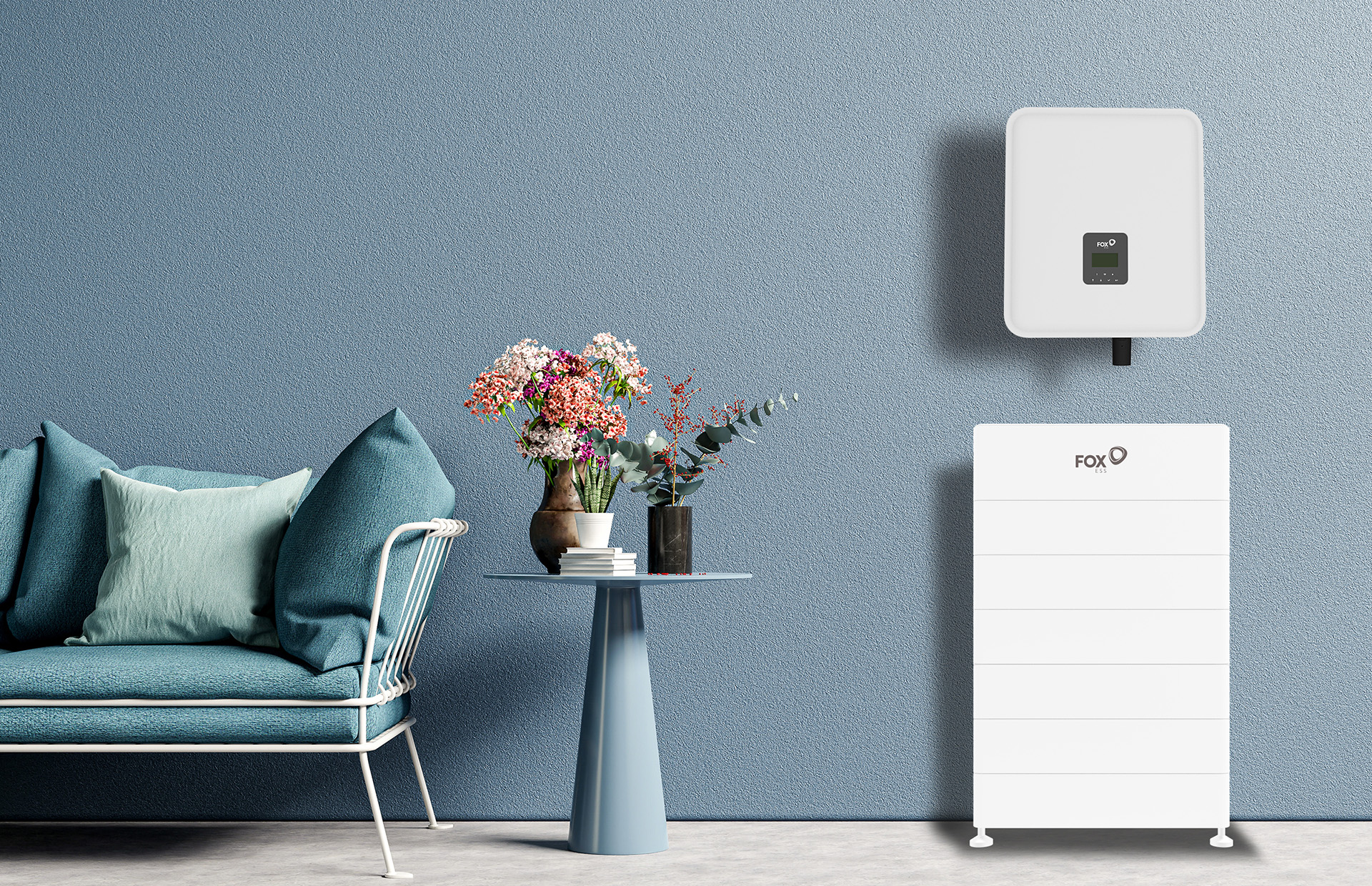
Fox ESS is a global leader in the development of inverter and energy storage solutions. Engineered by some of the world’s leading inverter and battery experts, our products are breaking new ground; offering customers the most advanced product features currently available, coupled with unrivalled performance and reliability.
Engineered by some of the world's leading inverter and battery experts, our products are breaking new ground; offering customers the most advanced product features currently available, coupled with unrivalled performance and reliability.

Yes, JinkoSolar is recognized as a reputable and reliable solar panel manufacturer in the global market, including Australia. Here are several reasons why JinkoSolar panels are considered good options:
Overall, JinkoSolar panels are considered a good choice for those looking to install solar systems due to their combination of high efficiency, competitive pricing, reliable performance, and strong warranty support. However, it's essential to evaluate specific models and consult with a reputable solar installer to ensure the panels meet your energy needs and are suitable for your location and installation requirements.
A solar battery can be worthwhile when you regularly use electricity after sunset, have a suitable solar system, or place value on backup power. The financial case depends on your daytime solar surplus, evening consumption, electricity tariff, feed-in tariff, battery price, usable capacity, efficiency and any eligible incentive. A battery does not automatically eliminate electricity bills, and backup during an outage requires compatible equipment and correctly configured circuits. Compare a site-specific estimate using your interval data before deciding.
Most standard grid-connected solar inverters shut down during a grid outage for electrical safety, even when the sun is shining. To keep selected circuits running, the system needs compatible backup equipment and a suitable battery or other approved backup arrangement. Ask your installer which circuits will have backup, the available power output and how long the system is expected to operate under your actual loads.
Use your inverter or energy monitoring app to review daily generation, historical production and any fault alerts. Compare output with similar weather and seasonal periods rather than judging performance from one cloudy day. Also check that monitoring is online and review your electricity bill for grid imports and solar exports. If production drops unexpectedly, check the inverter alerts and contact a qualified solar technician; do not open electrical equipment yourself.
Q CELLS panels should be compared by exact model rather than by brand reputation alone. Review the current Australian datasheet, efficiency, temperature coefficient, product and performance warranties, availability and approved-product status where relevant. Confirm the model number in your quote and check who provides local warranty support.
Eligible rooftop solar systems may receive an upfront discount through the Australian Government's Small-scale Renewable Energy Scheme (SRES), using small-scale technology certificates (STCs). Eligible home batteries may qualify for the Cheaper Home Batteries Program when connected to new or existing solar PV and installed under the current program rules. The installer or retailer will usually show the applicable discount in the quote and explain any assignment of certificates. Check current government eligibility requirements and make sure the quote lists the incentive separately from the system price.
Estimate payback by comparing the net installed cost with the expected annual bill savings. A sound calculation should use your electricity interval data, solar generation estimate, self-consumption, export rate, retail tariff, daily supply charges, system degradation, maintenance assumptions and any battery replacement costs. Incentives should be shown separately, and savings should not assume that all solar generation is used on site. Ask for the assumptions and sensitivity range rather than relying on a single guaranteed payback figure.
Compare exact model numbers, product warranties, performance data, approved-product status where relevant, inverter capacity and compatibility with your proposed system. The design should suit your roof orientation, shading, available space, energy use, network export limits and any future battery plans. Check the installer's qualifications and accreditation, monitoring, after-sales support and what is included or excluded from the quote. Do not choose equipment on brand name or price alone.