


Home / Solar panel locations
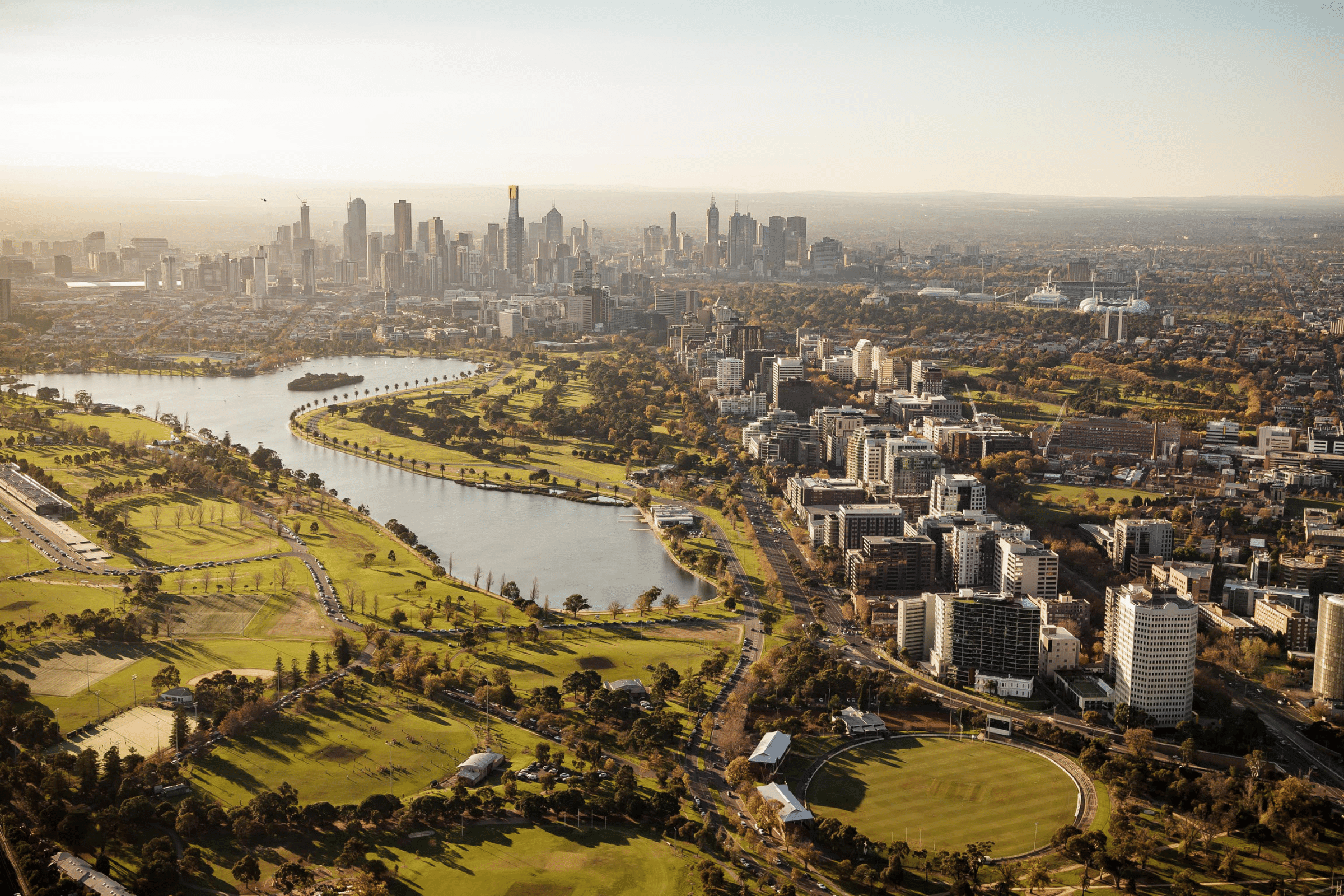
Explore tailored solar panel systems for homes and businesses across Melbourne, Geelong, Ballarat, Bendigo, Shepparton and Traralgon. Get clear advice on system sizing, equipment and installation.
12-year workmanship warranty
on every install
SAA accredited installers
and designers
4.9 out of 5 on Google
from 511 reviews
$0 upfront options
ask us how it works
Choosing solar is not simply a matter of selecting the largest system or the lowest advertised price. The right design should reflect how your property uses electricity, the roof space available and what you want your system to achieve. Hybrid Solar Solutions Australia helps homeowners and businesses compare solar options across Melbourne, Geelong, Ballarat, Bendigo, Shepparton and Traralgon.
For properties across Melbourne and regional centres including Geelong, Ballarat, Bendigo, Shepparton and Traralgon, we consider seasonal generation patterns and the individual site's roof and energy profile.
Your recent electricity bills and, where available, interval meter data help show when your property uses the most power. We consider daytime consumption, evening demand, seasonal changes, planned electric vehicle charging and whether battery storage may be useful. This helps compare system sizes against your actual needs rather than relying on a generic household estimate.
Compare the exact panel and inverter models listed in each proposal. Important considerations include product warranty terms, performance warranty conditions, inverter capacity, monitoring features, compatibility with battery storage and the mounting system specified for your roof. Product availability and approved-product lists can change, so your written quote should identify the actual models being supplied.
For homes, the design should match the household's daily routine and available roof area. For businesses, we look at operating hours, load profile, interval data and the amount of electricity consumed during daylight. Larger commercial projects may require additional engineering, network assessment and project planning.
Victoria's mix of metropolitan, regional and coastal properties means solar design needs to account for roof orientation, seasonal generation, shading, household demand and the relevant network connection requirements.
We explain the assumptions behind estimated generation and savings, including the tariff and self-consumption assumptions used. Solar can reduce grid electricity purchases, but it does not automatically eliminate every electricity bill; supply charges, imports, tariffs and export credits still matter.
A useful solar quote should show more than a system capacity and a total price. Ask for exact equipment models, panel layout, inverter details, estimated generation, export assumptions, installation inclusions, warranties and any incentive shown separately. Comparing proposals on the same basis makes it easier to understand differences in value.
The number depends on the total system capacity, panel wattage, roof layout and your electricity use. A site-specific design is more useful than choosing a panel count based only on the number of people in the home.
Solar panels can generate electricity in cloudy conditions, although output is generally lower than in strong direct sunlight. Actual production varies with cloud cover, shading, orientation and system design.
Often, yes, but compatibility depends on the inverter, system configuration, switchboard and battery product. If storage is a future goal, mention it before the solar system is designed.
Not necessarily. Your bill also depends on grid imports, daily supply charges, tariffs and export credits. A proposal should use your actual consumption and retailer rates when estimating potential savings.
Recent electricity bills, the property address and any information about future battery or EV plans are a useful starting point. Roof or switchboard photos can also help with an initial review.
Our Victorian service area includes Melbourne, Geelong, Ballarat, Bendigo, Shepparton and Traralgon. Contact Hybrid Solar Solutions Australia to discuss your property and request a tailored solar proposal. Call 1300 364 449 or send an enquiry online.
Explore our residential solar service, solar battery solutions and solar buying guides.
A suitable system is designed around roof orientation, shading, usable roof area, switchboard capacity, electricity consumption and future plans. Panel capacity alone does not determine results: inverter sizing, panel layout, export limits, network approval and the times electricity is used also matter. Your proposal should explain generation assumptions and the expected balance between self-consumption and grid exports.
Eligible rooftop solar installations may receive an upfront benefit through the Australian Government Small-scale Renewable Energy Scheme (SRES), using small-scale technology certificates (STCs). The value depends on eligibility, system size, location, installation date and certificate market conditions; it is not a fixed rebate for every property. Ask for the gross price and STC benefit to be shown separately. Check our solar rebates guide and current battery program rules.
If you already have solar panels, you may be able to add a battery without replacing the panels. This retrofit requires checks of the existing inverter, battery compatibility, switchboard, meter and site. Eligible batteries connected to existing solar may qualify for the federal Cheaper Home Batteries Program. A battery installed without solar PV and charged solely from the grid is not eligible for that program. We can also compare solar-only and combined solar-and-battery options.
Check the exact panel and inverter models, system capacity, proposed layout, estimated generation, STC calculation, installation scope, network and switchboard work, warranties, monitoring, exclusions and after-sales support. Incentives should be clearly itemised rather than presented as a guaranteed saving.
Tell us whether you need solar panels, a battery-only upgrade or both. Request a free solar and battery quote or call 1300 364 449. Explore residential solar, battery installation and rebates.
We also provide service information for surrounding suburbs. Select your area to learn more about local solar and battery options:
A useful solar proposal should show the panel and inverter model numbers, roof layout, estimated seasonal generation, expected self-consumption and export assumptions, network requirements and installation inclusions. If you are planning to add storage, compare our solar battery Melbourne guide and battery installation service. For help choosing an inverter, read our 2026 inverter comparison.
For a new home system, see residential solar installation; for business premises, explore commercial solar. We provide service information for Melbourne, Geelong, Ballarat, Bendigo, Shepparton and Traralgon.
Get a free quote
Tell us about your property and power bills. We will reply with options sized to your home.
Get a free quoteCall 1300 36 44 49See how much you can save today. Tell us a few details and our team will call you with a tailored quote.

Yes, JinkoSolar is recognized as a reputable and reliable solar panel manufacturer in the global market, including Australia. Here are several reasons why JinkoSolar panels are considered good options:
Overall, JinkoSolar panels are considered a good choice for those looking to install solar systems due to their combination of high efficiency, competitive pricing, reliable performance, and strong warranty support. However, it's essential to evaluate specific models and consult with a reputable solar installer to ensure the panels meet your energy needs and are suitable for your location and installation requirements.
Use your inverter or energy monitoring app to review daily generation, historical production and any fault alerts. Compare output with similar weather and seasonal periods rather than judging performance from one cloudy day. Also check that monitoring is online and review your electricity bill for grid imports and solar exports. If production drops unexpectedly, check the inverter alerts and contact a qualified solar technician; do not open electrical equipment yourself.
Eligible rooftop solar systems may receive an upfront discount through the Australian Government's Small-scale Renewable Energy Scheme (SRES), using small-scale technology certificates (STCs). Eligible home batteries may qualify for the Cheaper Home Batteries Program when connected to new or existing solar PV and installed under the current program rules. The installer or retailer will usually show the applicable discount in the quote and explain any assignment of certificates. Check current government eligibility requirements and make sure the quote lists the incentive separately from the system price.
Estimate payback by comparing the net installed cost with the expected annual bill savings. A sound calculation should use your electricity interval data, solar generation estimate, self-consumption, export rate, retail tariff, daily supply charges, system degradation, maintenance assumptions and any battery replacement costs. Incentives should be shown separately, and savings should not assume that all solar generation is used on site. Ask for the assumptions and sensitivity range rather than relying on a single guaranteed payback figure.
Most standard grid-connected solar inverters shut down during a grid outage for electrical safety, even when the sun is shining. To keep selected circuits running, the system needs compatible backup equipment and a suitable battery or other approved backup arrangement. Ask your installer which circuits will have backup, the available power output and how long the system is expected to operate under your actual loads.
There is no single annual or lifetime saving that applies to every household. Savings depend on the system's generation, how much electricity is used while the sun is shining, the retail electricity rate, feed-in tariff, system cost and any ongoing charges. A reliable estimate should use your recent bills or smart-meter interval data and clearly state its assumptions. Treat broad lifetime-saving figures as indicative rather than guaranteed.
Compare exact model numbers, product warranties, performance data, approved-product status where relevant, inverter capacity and compatibility with your proposed system. The design should suit your roof orientation, shading, available space, energy use, network export limits and any future battery plans. Check the installer's qualifications and accreditation, monitoring, after-sales support and what is included or excluded from the quote. Do not choose equipment on brand name or price alone.
The right solar system size depends on your electricity consumption, daytime usage, roof space and orientation, shading, inverter and phase configuration, network export limits and future plans such as an electric vehicle or battery. Quarterly bill totals are a starting point, but smart-meter interval data gives a clearer picture of when you use power. A site-specific assessment is more reliable than selecting a system from a generic bill threshold.
A fair solar quote clearly identifies the panel and inverter models, system capacity, design, estimated generation, installation scope, total price, exclusions, network approval responsibilities and warranty terms. Roof access, switchboard work and other site-specific requirements can affect cost. Compare like-for-like proposals and check whether any eligible incentive is deducted from the price. The lowest headline price may not include the same equipment or installation work.
A workmanship warranty generally covers defects arising from the installer's work, subject to the written warranty terms. The exact coverage, duration, exclusions and claim process vary by provider. Ask for the warranty document and check whether it covers installation defects, roof penetrations, cabling, mounting and damage caused during installation. Keep your signed quote, commissioning documents and product warranties together.
Q CELLS panels should be compared by exact model rather than by brand reputation alone. Review the current Australian datasheet, efficiency, temperature coefficient, product and performance warranties, availability and approved-product status where relevant. Confirm the model number in your quote and check who provides local warranty support.
Canadian Solar offers a range of panel models for residential and commercial systems. Whether a particular panel is suitable depends on its exact model, efficiency, temperature coefficient, product and performance warranties, dimensions and approved-product status where relevant. Ask for the model number and current datasheet, then compare it with alternatives on the same criteria. The overall system design and installation quality also affect performance.
Solar panels convert sunlight into direct-current (DC) electricity. An inverter converts this into alternating-current (AC) electricity that your home or business can use. Solar power is used on site first, reducing the amount bought from the grid. Surplus electricity may be exported for a feed-in tariff under your retail plan. If solar generation is insufficient, the property draws power from a battery if available or from the electricity grid.
Eligible rooftop solar systems may receive support through the Australian Government's Small-scale Renewable Energy Scheme (SRES), which uses small-scale technology certificates (STCs) to reduce the upfront price. Eligible home batteries may receive a separate discount through the Cheaper Home Batteries Program when connected to new or existing solar PV and installed in accordance with current rules. State programs can change and may have specific eligibility conditions. Check official government guidance and ask for each incentive to be itemised in your quote.
Q CELLS panels should be assessed by their exact model, current Australian availability, product and performance warranty, efficiency, temperature characteristics and approved-product status where relevant. Manufacturer ranges and warranty conditions can change, so confirm the model number and written warranty supplied with your quote. Compare the panel as part of the complete system design rather than relying on a broad brand ranking.
A grid-connected solar system lets a property use solar electricity as it is generated and export surplus energy to the grid when permitted. This can reduce grid electricity purchases, particularly when appliances operate during daylight hours. The financial benefit depends on the system's generation, self-consumption, retail tariff, feed-in tariff and network export limits. A standard grid-connected inverter usually shuts down during a blackout unless a suitable backup system is installed.

At Hybrid Solar Solutions Australia we are passionate about providing our regional solar & Battery customers in more remote areas with the same access to solar power as the rest of Australia. Anybody living in country Australia knows just how hot it can get, the sunshine makes Australia one of the best places in the world to invest in power for your homes and businesses.









Honest feedback from homeowners and businesses across Brisbane, Melbourne and Sydney. See what it is like to work with our team before you request a quote.
Read our Google reviewsCopyright @2026 Hybrid Solar Solutions Australia. All Rights Reserved


