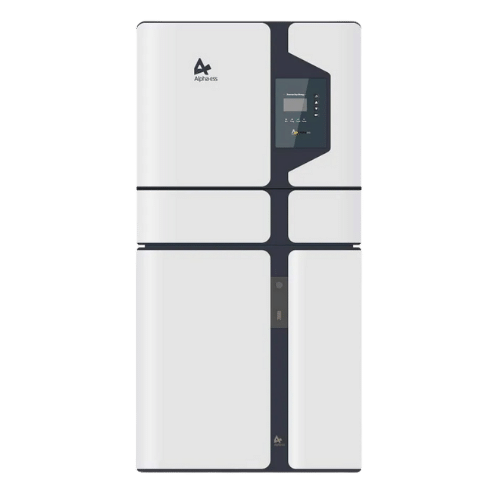
AlphaESS is a leading global green energy storage solution and service provider. The company excels in providing tailored solutions for a wide range of applications, including residential, commercial, industrial, large-scale, and utility projects. AlphaESS has 40+ subsidiaries providing local services and 200,000+ systems actively running in 130+ countries, enabling millions of people to enjoy reliable, accessible and clean energy.
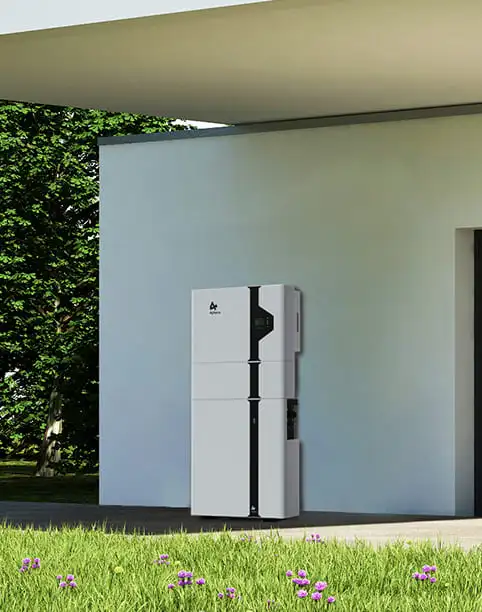
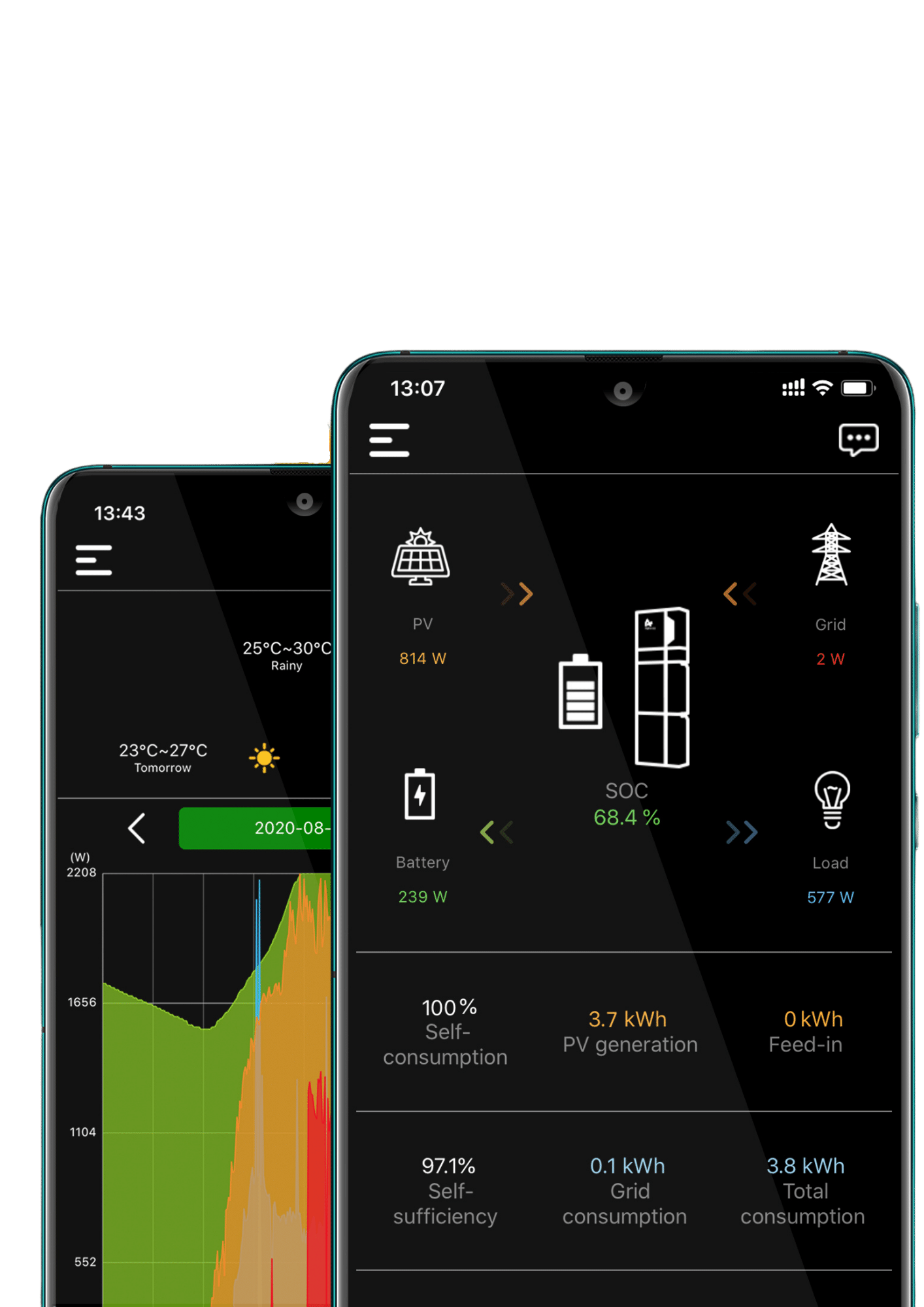
Alpha ESS residential energy storage solution covers 3 ~ 10 kW, and this range is predominantly designed for PV self-consumption, back-up power, load shifting and off-grid solutions for household applications. Storing renewable energy with Alpha ESS - it's a no-brainer.

Eligible rooftop solar systems may receive an upfront discount through the Australian Government's Small-scale Renewable Energy Scheme (SRES), using small-scale technology certificates (STCs). Eligible home batteries may qualify for the Cheaper Home Batteries Program when connected to new or existing solar PV and installed under the current program rules. The installer or retailer will usually show the applicable discount in the quote and explain any assignment of certificates. Check current government eligibility requirements and make sure the quote lists the incentive separately from the system price.
Estimate payback by comparing the net installed cost with the expected annual bill savings. A sound calculation should use your electricity interval data, solar generation estimate, self-consumption, export rate, retail tariff, daily supply charges, system degradation, maintenance assumptions and any battery replacement costs. Incentives should be shown separately, and savings should not assume that all solar generation is used on site. Ask for the assumptions and sensitivity range rather than relying on a single guaranteed payback figure.
Compare exact model numbers, product warranties, performance data, approved-product status where relevant, inverter capacity and compatibility with your proposed system. The design should suit your roof orientation, shading, available space, energy use, network export limits and any future battery plans. Check the installer's qualifications and accreditation, monitoring, after-sales support and what is included or excluded from the quote. Do not choose equipment on brand name or price alone.
A workmanship warranty generally covers defects arising from the installer's work, subject to the written warranty terms. The exact coverage, duration, exclusions and claim process vary by provider. Ask for the warranty document and check whether it covers installation defects, roof penetrations, cabling, mounting and damage caused during installation. Keep your signed quote, commissioning documents and product warranties together.
A grid-connected solar system lets a property use solar electricity as it is generated and export surplus energy to the grid when permitted. This can reduce grid electricity purchases, particularly when appliances operate during daylight hours. The financial benefit depends on the system's generation, self-consumption, retail tariff, feed-in tariff and network export limits. A standard grid-connected inverter usually shuts down during a blackout unless a suitable backup system is installed.